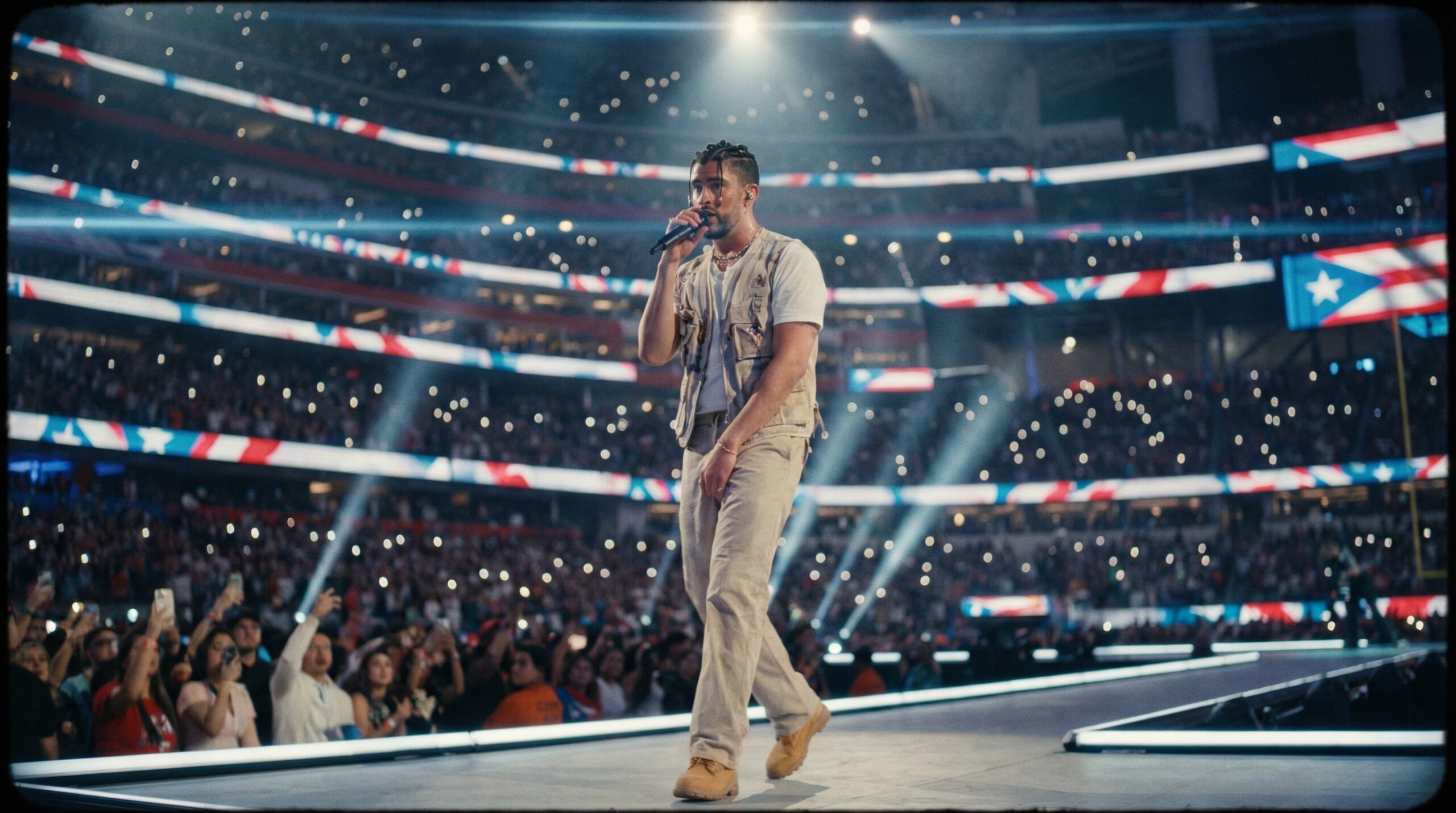
The Super Bowl has always been more than just a football game, and this year is no different. With global music star Bad Bunny set to headline the Super Bowl halftime show, the NFL once again uses its biggest stage to blend sports, entertainment, and cultural influence.
For the league, the halftime show is not just a break between halves — it’s a strategic part of the Super Bowl experience. While teams battle for a championship on the field, the halftime performance plays a major role in attracting a global audience that stretches far beyond traditional football fans.
Bad Bunny’s selection reflects the NFL’s continued effort to expand its reach, particularly among younger and more diverse viewers. As one of the most streamed artists in the world, his presence brings millions of eyes to the broadcast, boosting viewership and keeping the Super Bowl relevant in an evolving sports media landscape.
Impact Beyond the Field
From a sports business standpoint, the halftime show ties directly into advertising, sponsorships, and global branding. The Super Bowl consistently ranks as the most-watched sporting event in the United States, and performances often dominate headlines long after the final whistle. For the NFL, cultural relevance translates into long-term fan engagement — especially with international audiences where American football continues to grow.
Bad Bunny’s performance also highlights the increasing influence of Latino culture within sports. The NFL has made visible efforts in recent years to connect with Latino fans through international games, Spanish-language broadcasts, and community outreach. Featuring a Spanish-language artist at halftime reinforces that commitment on the league’s biggest night.
Mixed Reactions, Big Attention
As with many high-profile halftime shows, reactions have been mixed. Some fans argue the focus should remain strictly on football, while others see the performance as part of what makes the Super Bowl a unique sporting event. Regardless of opinion, the attention surrounding the show only adds to the spectacle — and attention is currency in modern sports.
NFL officials have emphasized that the halftime show is meant to unify viewers through music and celebration, not distract from the competition on the field. When play resumes, the spotlight returns to the athletes chasing a championship, but the cultural moment lingers.
A Super Bowl Moment
When the final stats are recorded and the Lombardi Trophy is lifted, Bad Bunny’s halftime show will be remembered as part of the overall Super Bowl story — another example of how sports and culture continue to intersect on the world’s biggest stage.
For the NFL, it’s not just about what happens between the hash marks, but how the game connects with fans everywhere.